Extras
Personal interests and values within and beyond my academic work.
Personal and professional commitments
Outside of my academic work, I try to stay engaged in causes I consider important, both within and beyond the university.
Access to education
I am committed to helping bridge the gap in access to higher education, particularly for students from underrepresented or disadvantaged backgrounds. I have for example supervised several MathC2 workshops, national programs in France aimed at high school students from under-resourced schools and often with a strong focus on encouraging young women to pursue scientific studies. I have also participated in multiple outreach events where I presented my work and the broader world of applied mathematics. In my own teaching at the university, I make it a priority to build strong, individualized connections with students, ensure they feel supported, especially those who may lack familiarity with the expectations and codes of academic environments, as I did in the past. I am deeply convinced that social class remains the most structural and persistent form of inequality in access to academic and scientific careers. Beyond outreach, I aim to develop my own accessible teaching resources; in particular, content designed to demystify mathematics and scientific studies for students who may lack early exposure or institutional support. My long-term goal is to help make our field more welcoming and comprehensible to those who are often kept at its margins. But as I am still a student, this can wait... Volunteering
I have always believed in giving back to society, in return for the many opportunities and support it has offered me. For several years, I regularly organized activities and animations for children in the pediatric ward of the hospital in my hometown. I also gave free tutoring sessions to classmates or younger students who needed academic support, and when I was younger I volunteered at the local community center (MJC) of my hometown. In addition, I have occasionally acted as a foster home for pets in need (I love animals). Scientific integrity
As a PhD student just beginning my career, one thing I care deeply about is the integrity of the work I contribute to. From the very start of my thesis, my advisors have emphasized the importance of rigorous, meaningful, and honest research. I try to uphold that standard by asking myself whether what I'm doing really brings something new. I’m well aware that the pressure to publish is real, but I don’t want to fall into the habit of producing papers just to build up a list. I'd rather take my time, collaborate thoughtfully, and produce results I can stand by, even if that means fewer publications in my career. Local craftsmanship and agriculture
I believe the quality of what we use and enjoy is closely connected to the people who create it. Whenever possible, I choose to support local artisans, small producers, and independent businesses. That can mean buying food directly from nearby farms, choosing handmade objects from craftspeople I know, while recommending their work to friends and colleagues. It is not about rejecting mass production altogether, but more about helping keep alive the skills, creativity, and human connections that often disappear in industrial processes. Blood and plasma donation
I am a regular blood and plasma donor. I started donating at 18 and continue to do so whenever possible. I am particularly aware of the importance of donations for people with rare blood types. I encourage anyone who is eligible to donate and help address ongoing shortages. You can easily make an appointment through the EFS website. Some art picks
I have always been passionate about literature, cinema, video games and music. These arts have had a significant impact on my life and have shaped the way I see and think about the world.
Films
I have been a movie lover since I was young, and I enjoy recommending films that have stayed with me over the years. Here is a selection of six of my favorite works; while they are all kinda melancholic, each carries, in its own way, some hope.
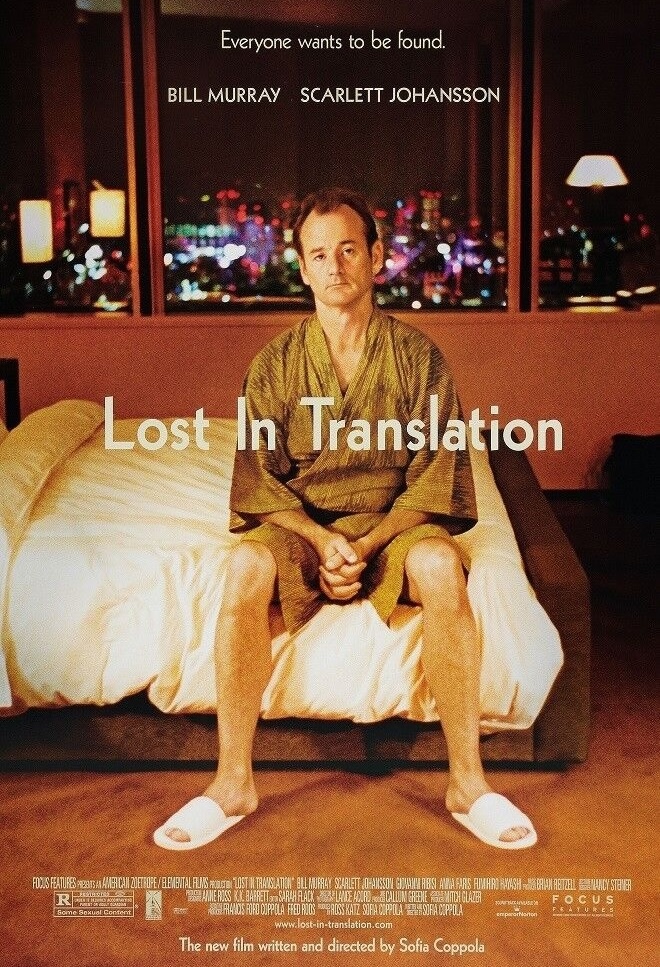
Lost in Translation (2003)
Sofia Coppola
When you are lost.
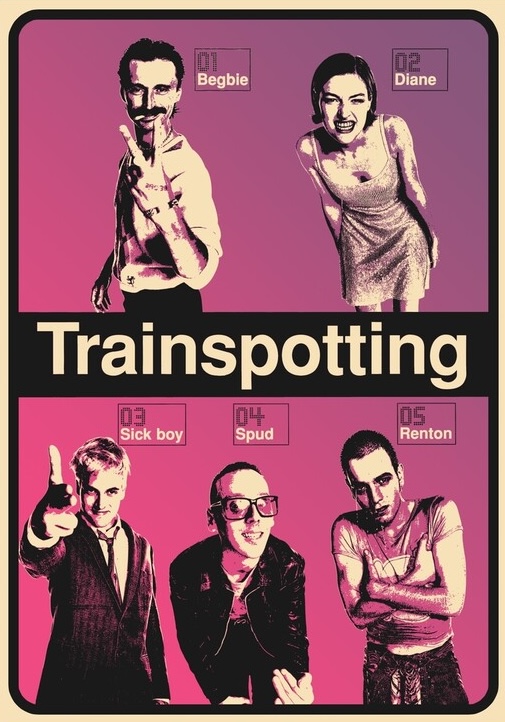
Trainspotting (1999)
Danny Boyle
When you think you're different.
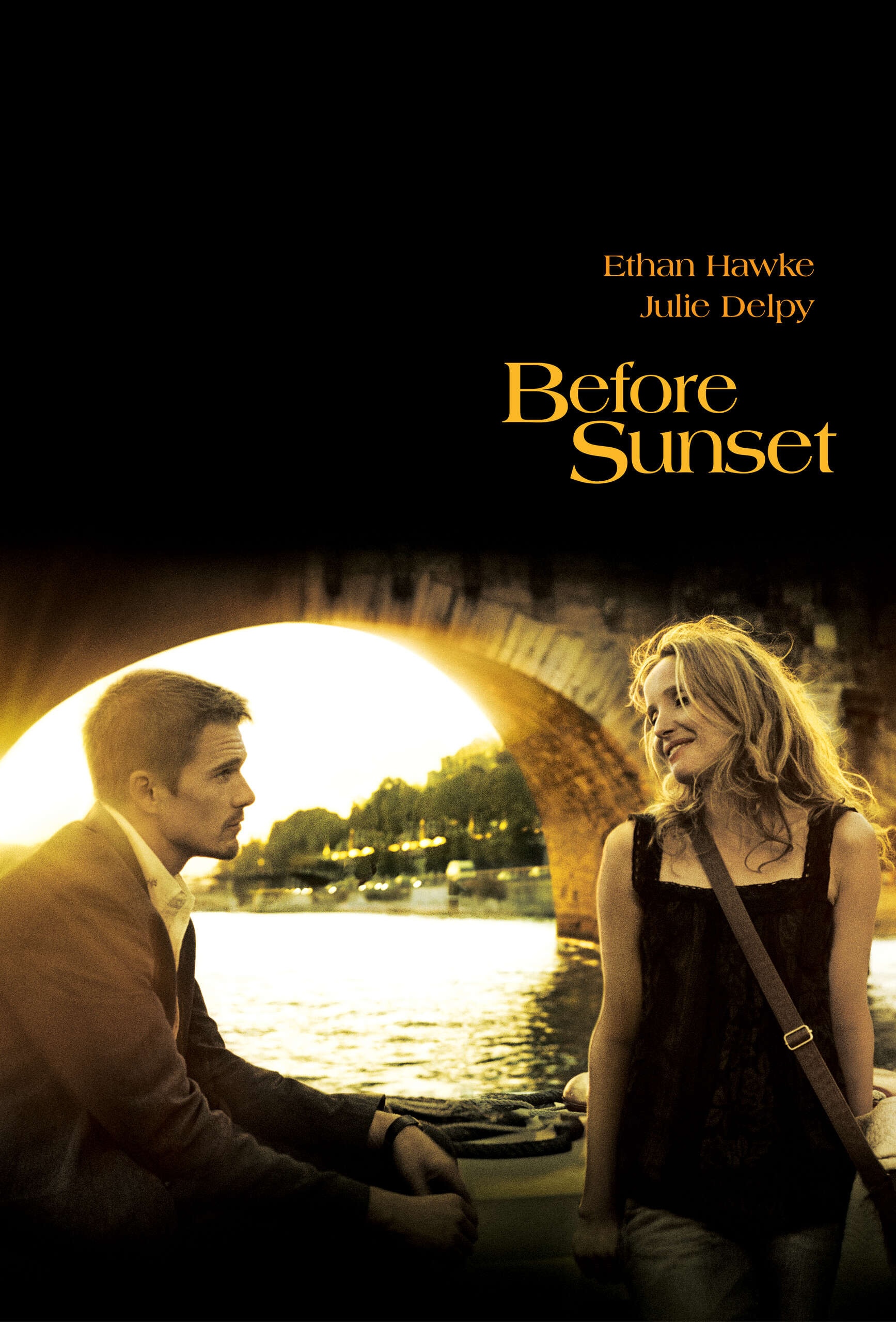
Before Sunset (2005)
Richard Linklater
When you missed an opportunity.
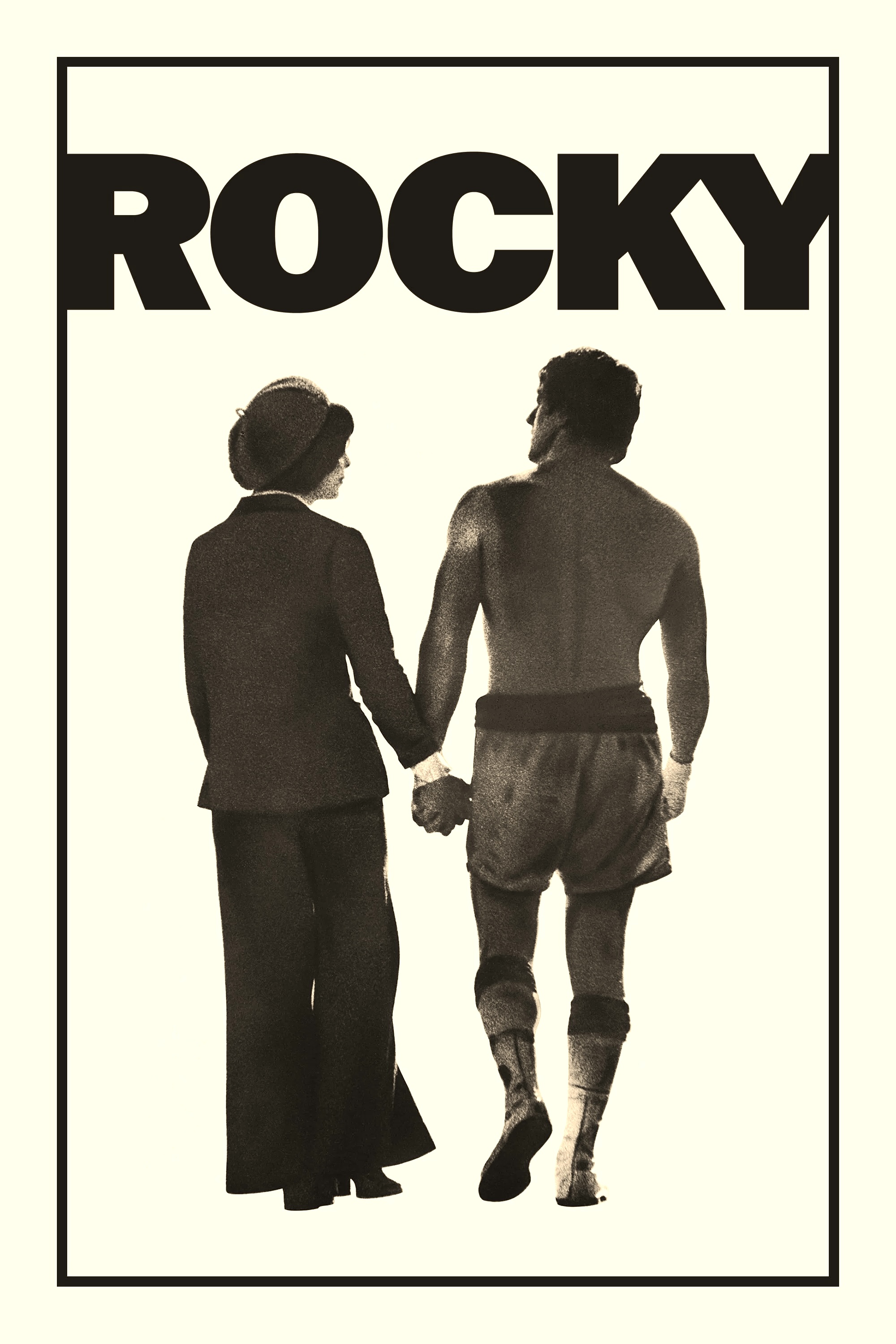
Rocky (1976)
John G. Avildsen
When you feel you're not enough.
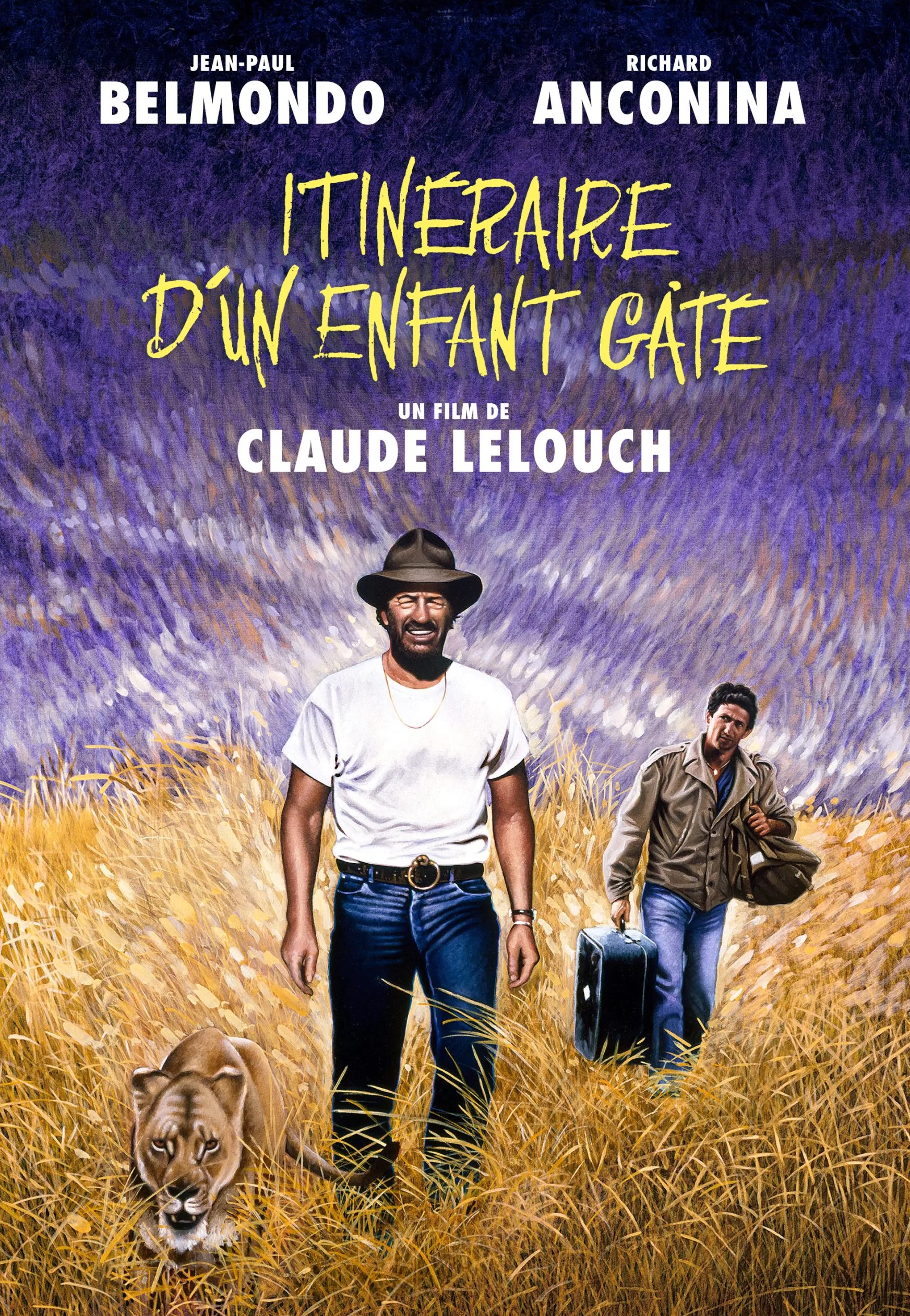
Itinéraire d'un enfant gâté (1988)
Claude Lelouch
When you want to quit.
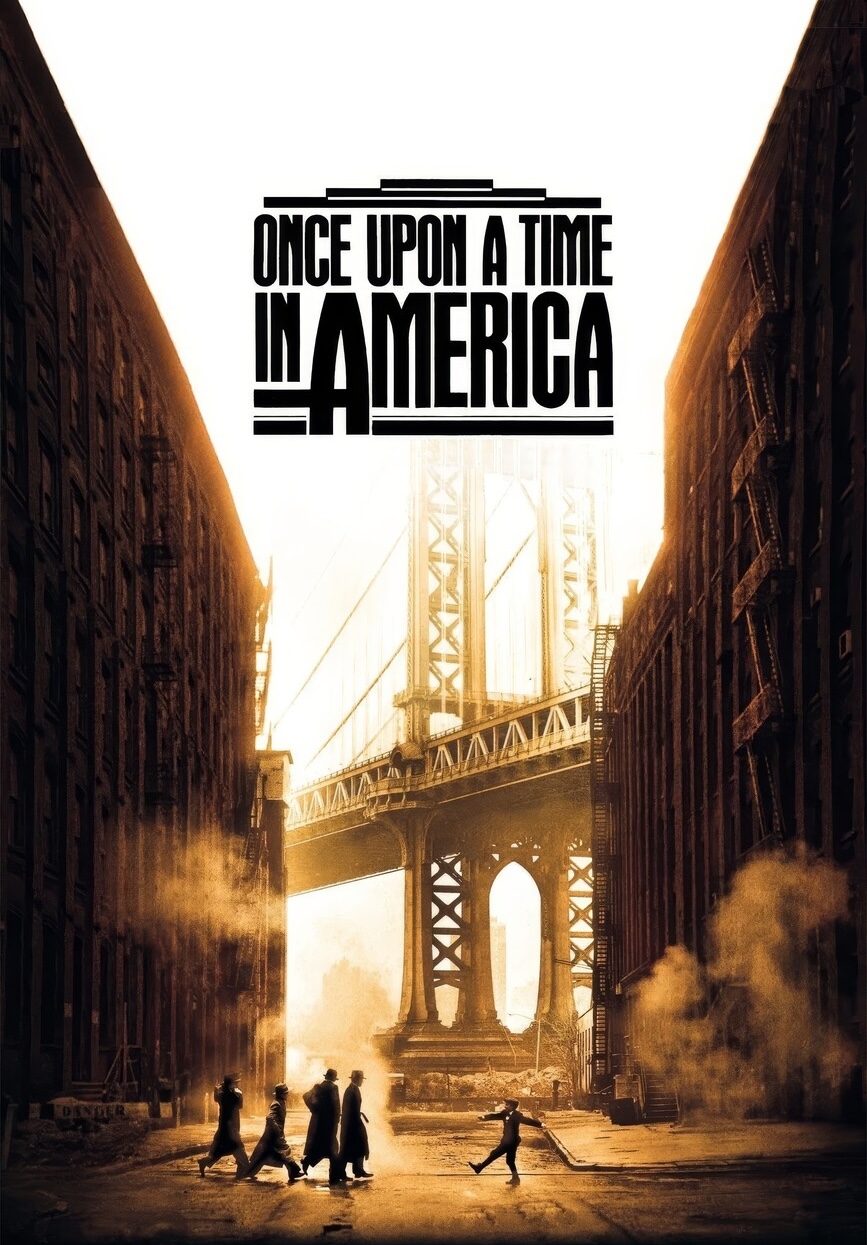
Once Upon a Time in America (1984)
Sergio Leone
When the time flew away.
Music
I spend most of my days with music playing in the background. Since my music tastes are quite eclectic, recommending music is not easy for me; I tried to pick here six albums, each in a different musical style.
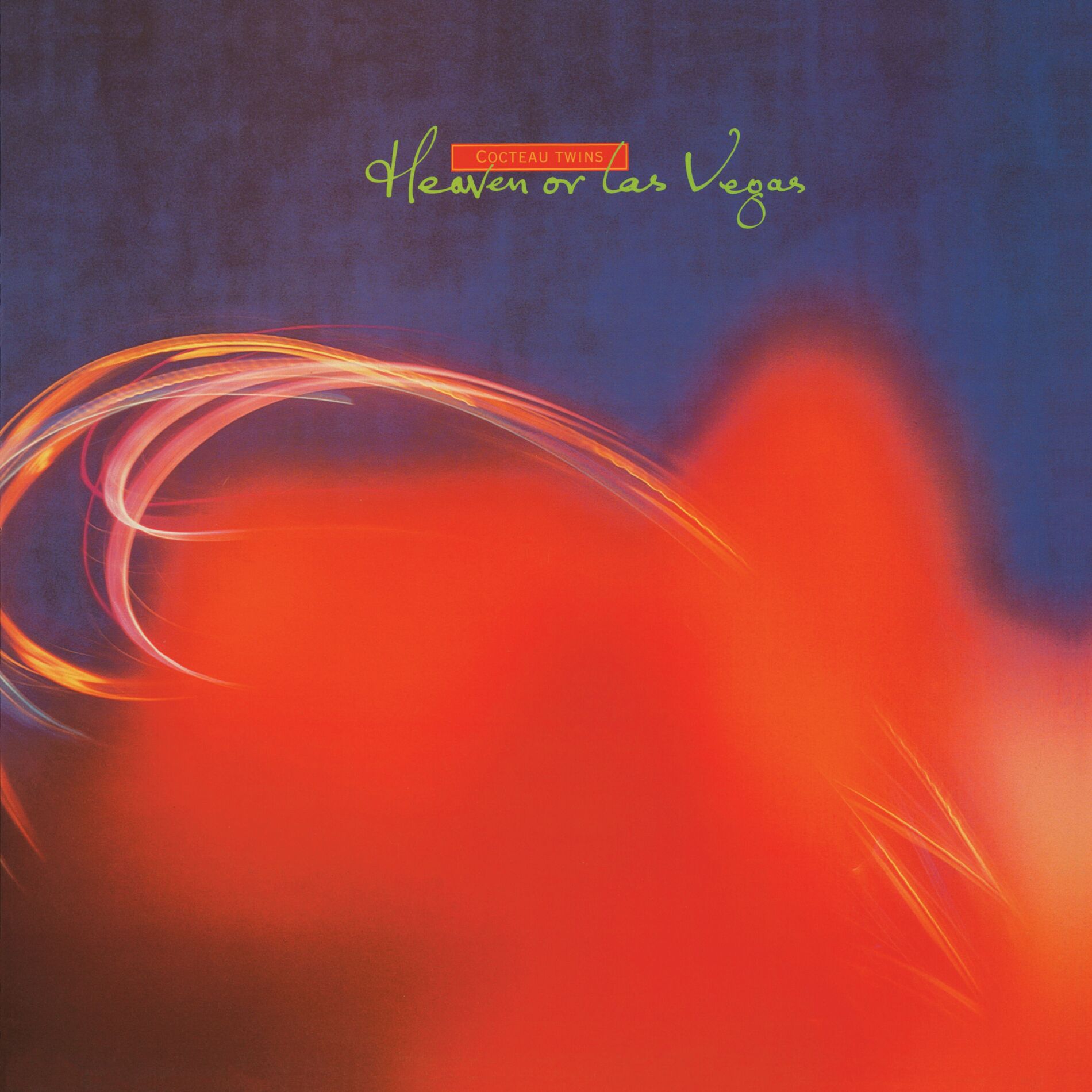
Heaven or Las Vegas (1990)
Cocteau Twins
Dream pop & Ethereal wave

Suprême NTM (1998)
NTM
Rap & Hip-hop
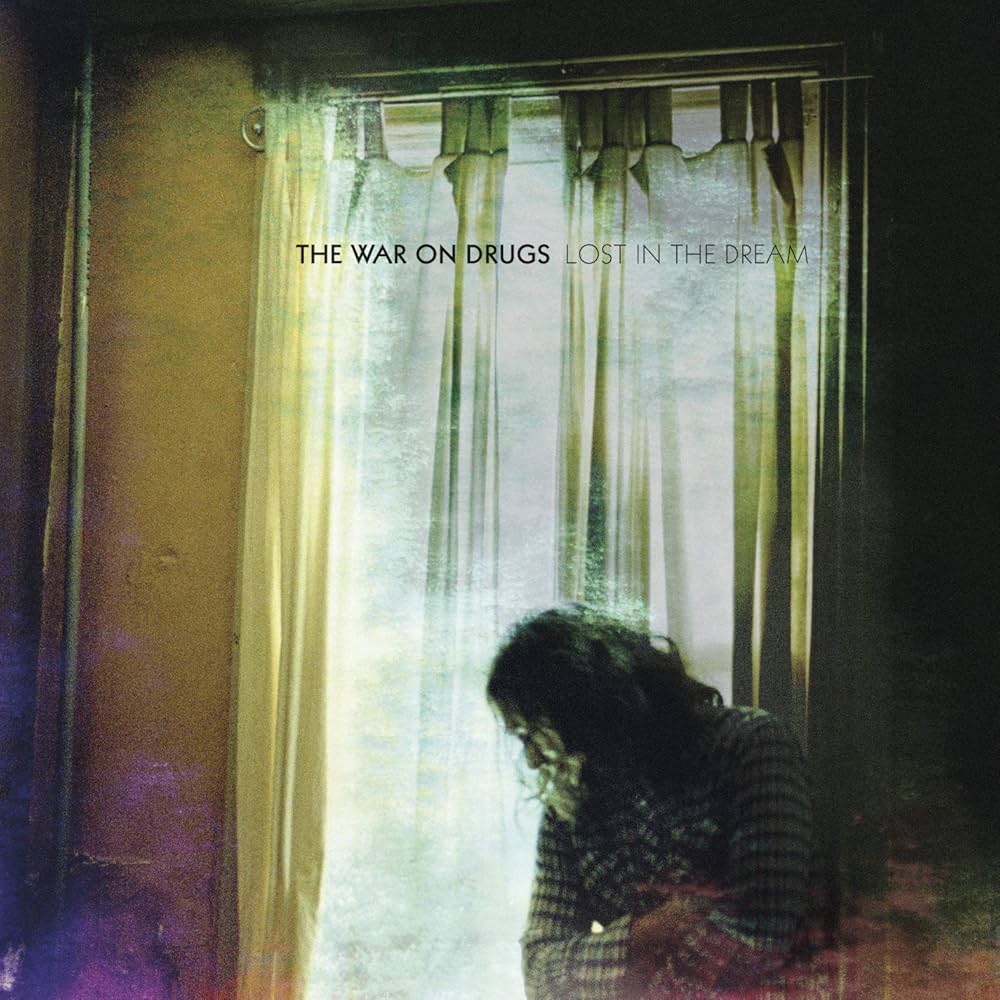
Lost in the Dream (2014)
The War on Drugs
Indie & Psychedelic rock
Chansons pour les pieds (2002)
Jean-Jacques Goldman
Pop & Ballad
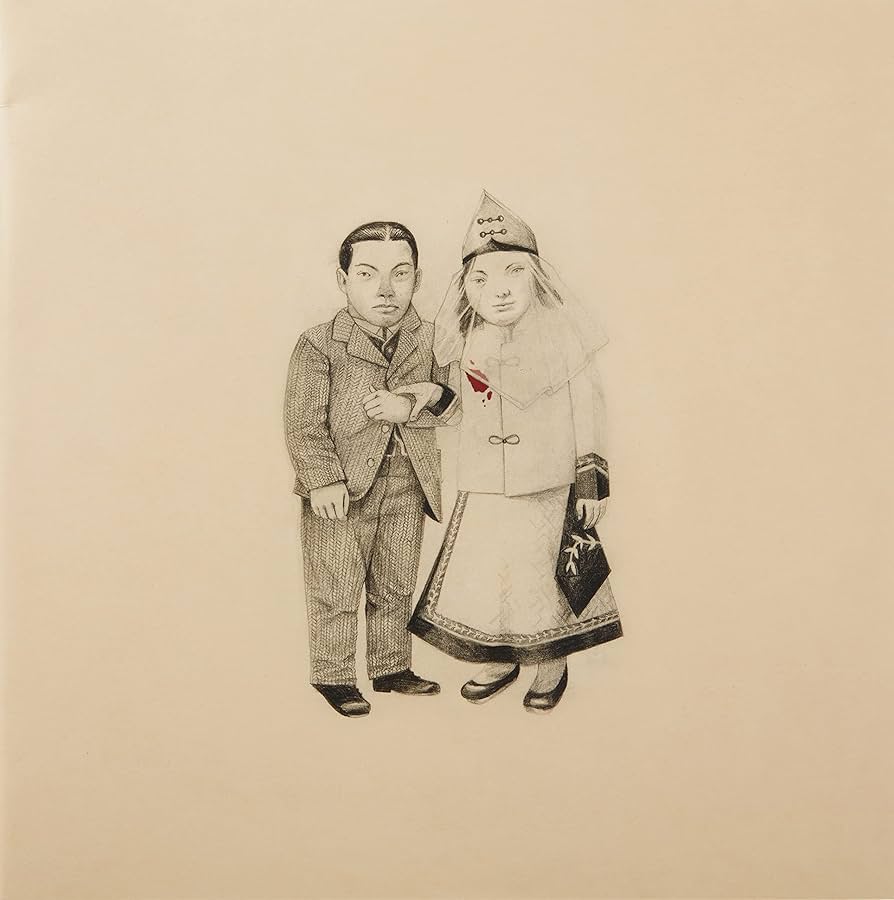
The Crane Wife (2004)
The Decemberists
Folk & Americana

Hurry Up, We're Dreaming (2011)
M83
Electronic & New wave
Literature
When I was younger, I used to read a lot. With my PhD, I do not have as much time for it anymore, and I miss it… Still, I have a strong passion for literature, and here’s six works that have had a significant impact on my life.
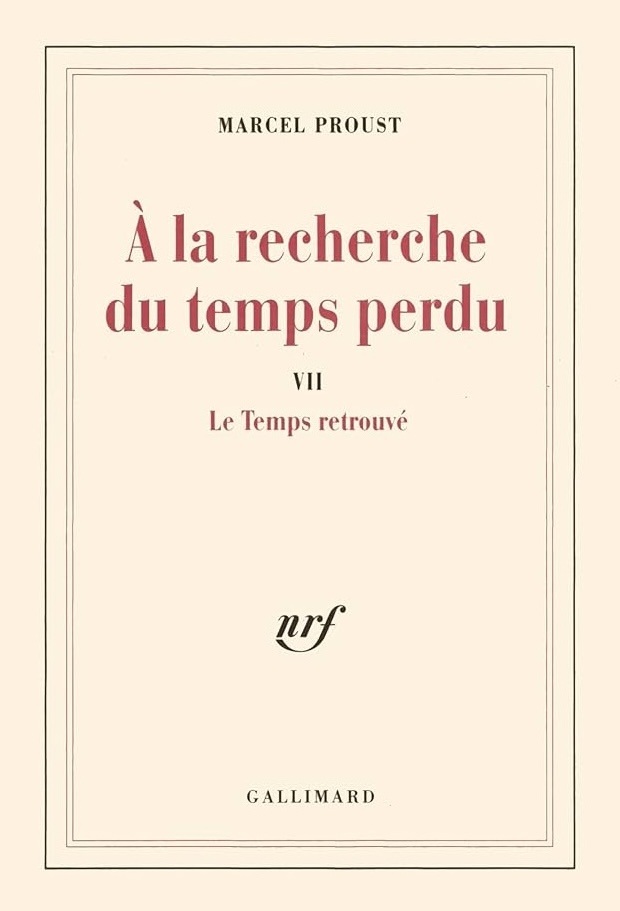
À la recherche du temps perdu (1913-1927)
Marcel Proust
Marcel remembers.
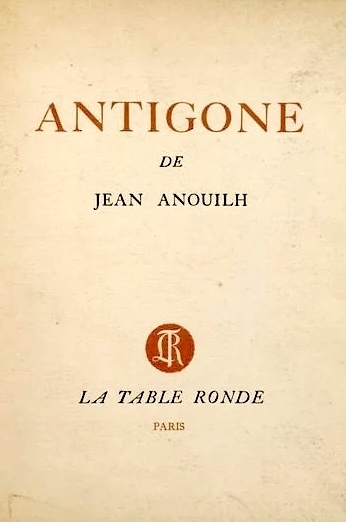
Antigone (1944)
Jean Anouilh
Antigone buries her brother.

Le Rouge et le Noir (1831)
Stendhal
Julien wants to be the best.
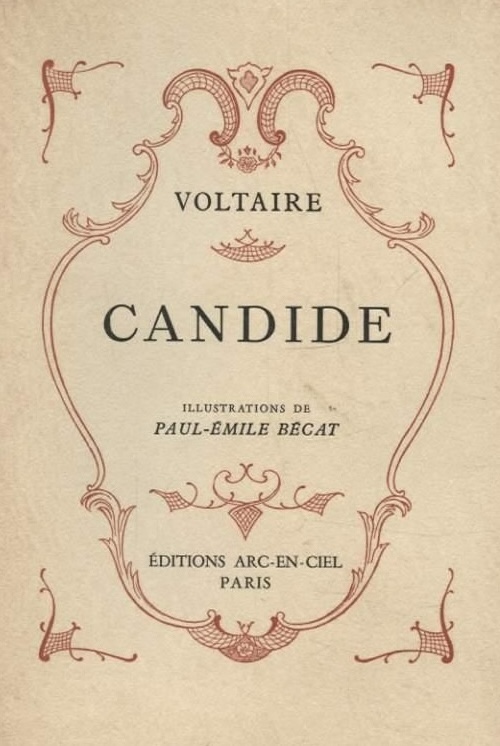
Candide ou l'Optimisme (1759)
Voltaire
Candide cultivates his garden.
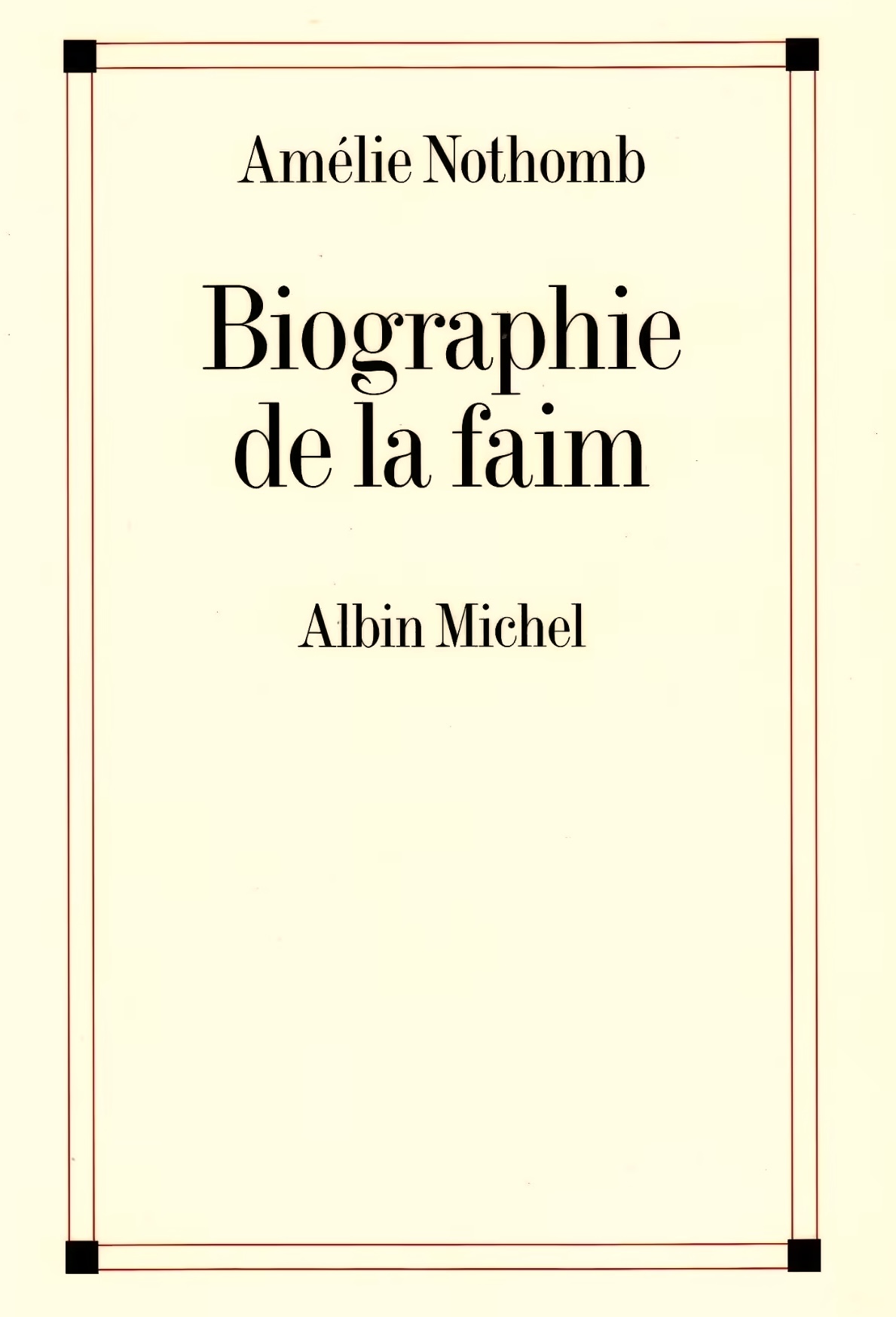
Biographie de la faim (2004)
Amélie Nothomb
Amélie travels.
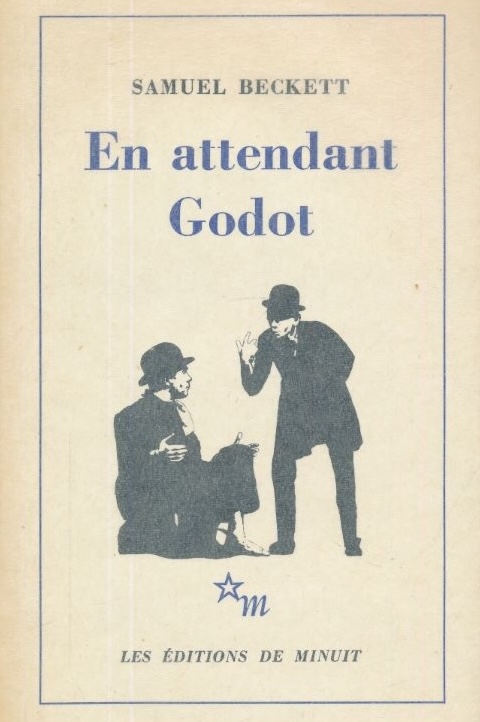
En attendant Godot (1952)
Samuel Beckett
Vladimir and Estragon wait for Godot.
Video games
I spent a pretty solitary childhood, and so I played a lot of video games. To me, they are also a real form of art, bringing together story, images, music, and something more: you take part in it.

Dragon Ball Z: Budokai 3
Bandai Namco
Fighting
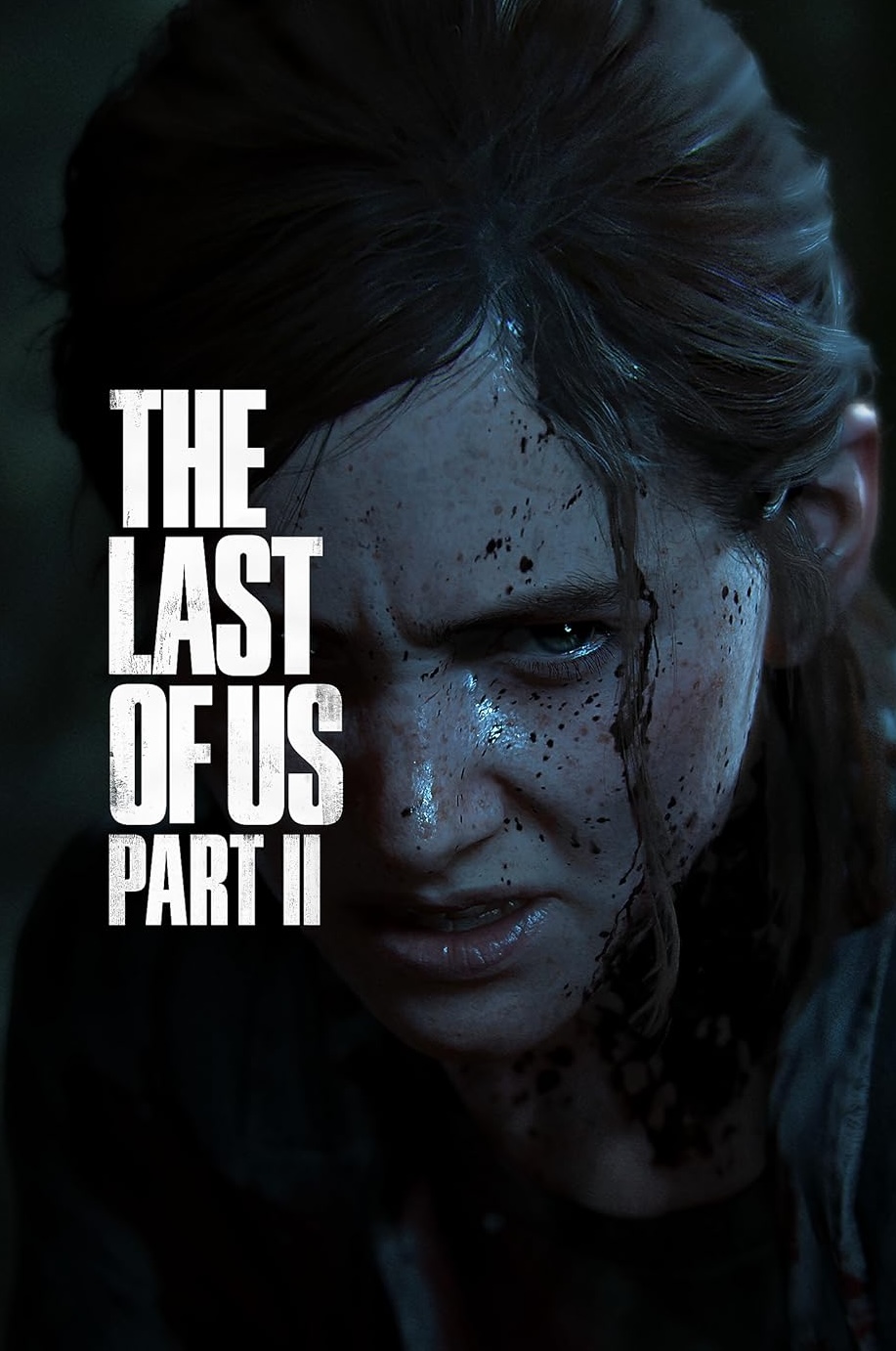
The Last of Us: Part 2
Naughty Dog
Avenging
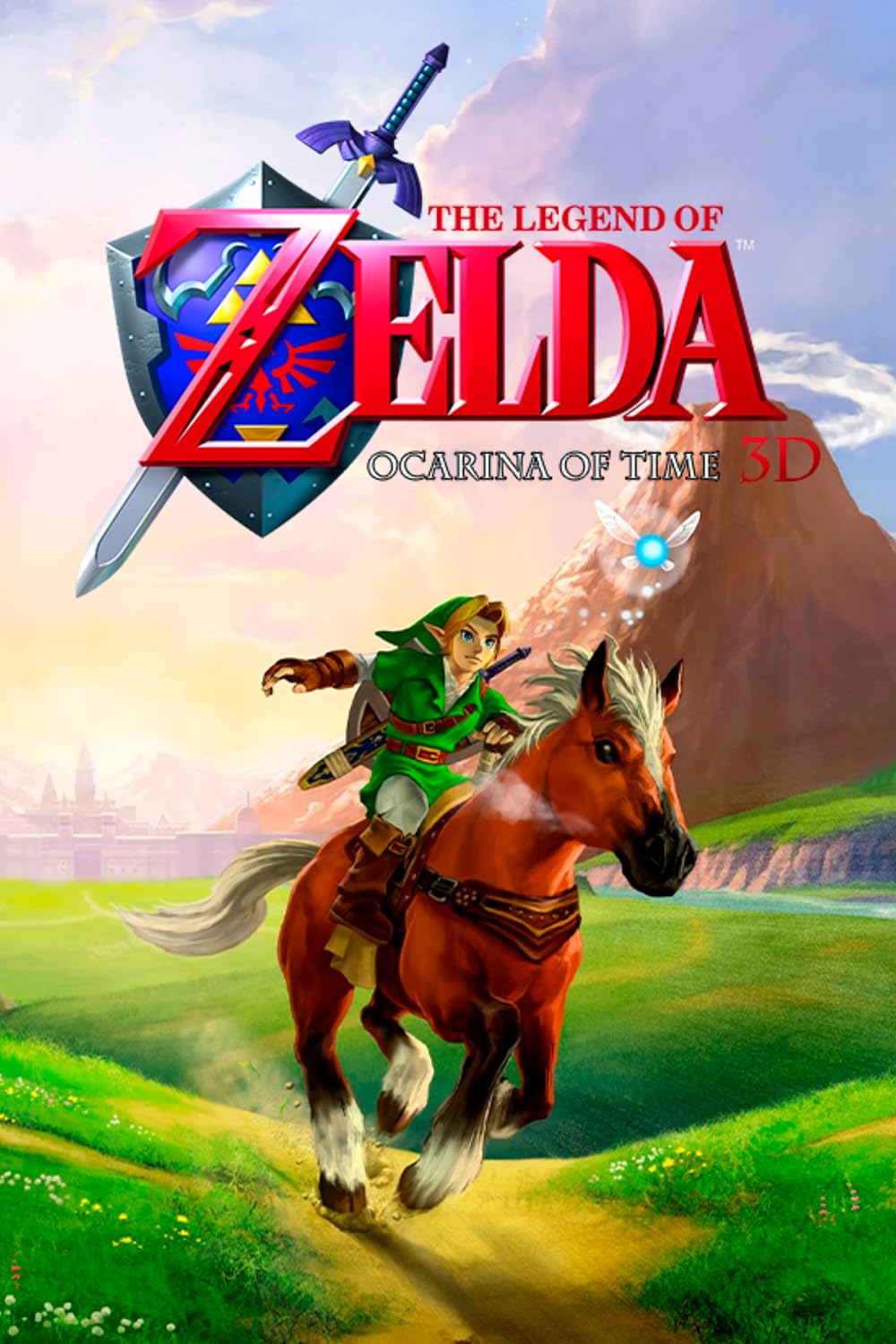
The Legend of Zelda: Ocarina of Time
Nintendo
Questing
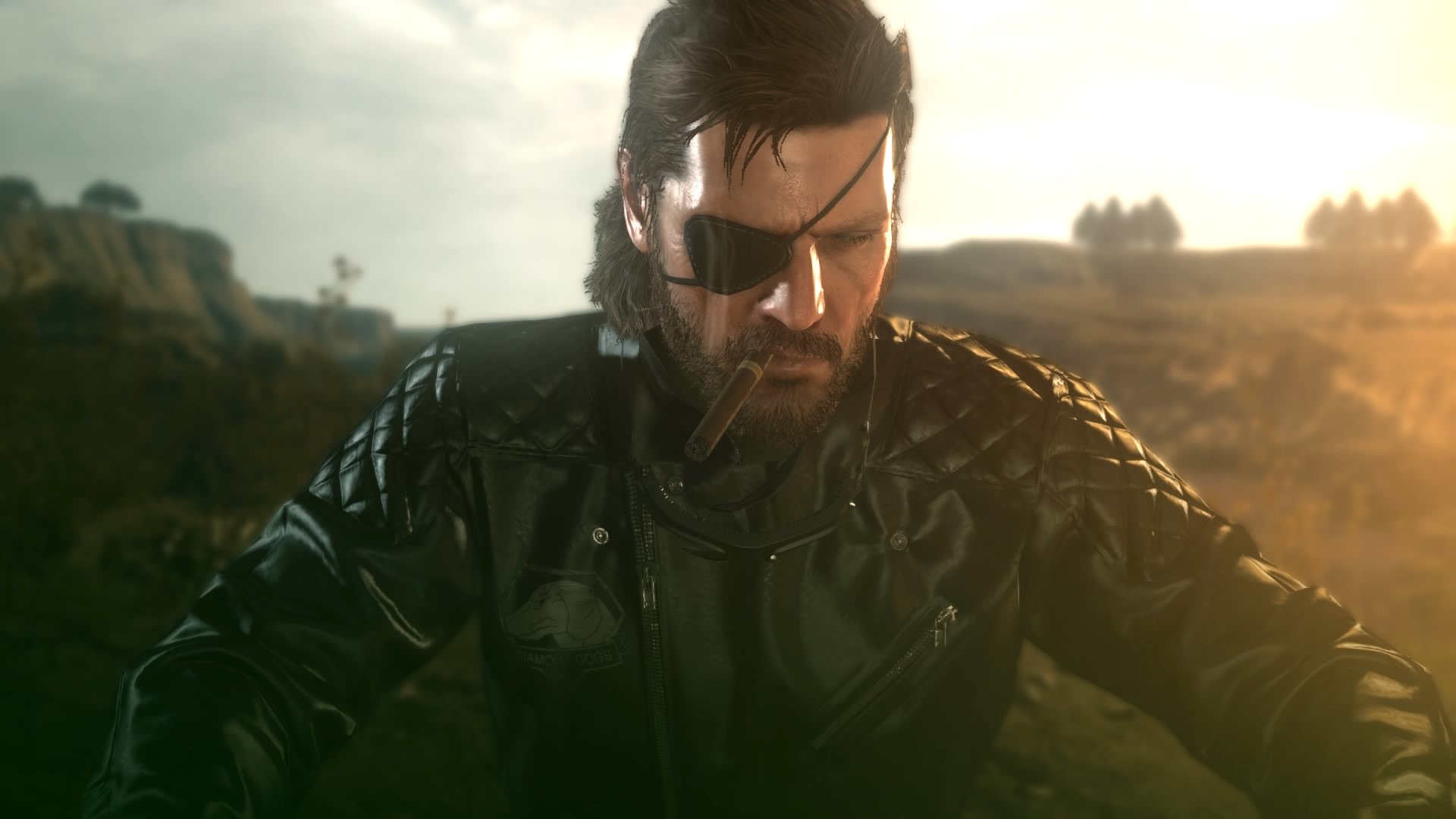
Metal Gear Solid 4: Guns of the Patriots
Konami
Rescuing
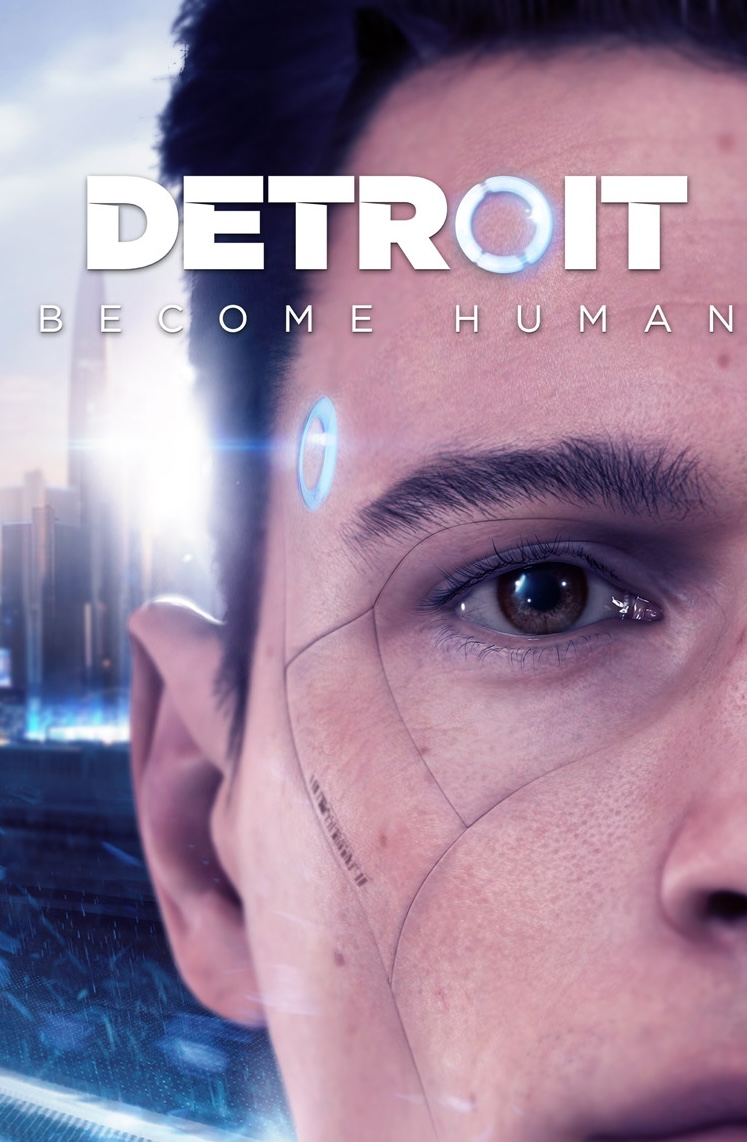
Detroit: Become Human
Quantic Dream
Choosing

Outer Wilds
Möbius Digital
Accepting
A few things I learned
If what you are questioning yourself about for is not in the list below, feel free to reach out to me. I am not a reference in anything, but I can share what I learned from my experience as a student, a worker, and someone who tries to stay healthy.
Enjoying being healthy
Having a healthy body is one of the greatest gifts we can receive in life. It is easy to forget it when everything seems fine, but good health is something to be valued and enjoyed every day.
Staying humble
At university and in research, it is easy to feel pressure to prove yourself. I learned that staying humble helps you progress more steadily. There will always be people who know more than you, and that is normal. Asking questions and accepting mistakes is not a weakness, it is how you grow. I wish first-year PhD Sacha had known this better!
Studying regularly
I believe that regular work is much more effective than last-minute efforts. Even small but consistent study sessions add up over time. It also reduces stress before exams and helps you build long-term understanding instead of short-term memorization. I have to admit that the few times I tried last-minute cramming as a student, the results were never very satisfying...
Choosing your own path
Do not feel forced to follow the road your parents, teachers, or society expect from you. There is so-called "royal paths". Try, make mistakes, and start again if needed. The real goal is to find a job that makes you want to wake up in the morning with energy and good mood.
Trusting the process
Progress is often slow and invisible day by day. It is frustrating as hell, but consistency always pays off. What looks like small steps now will add up over months and years. Trust the process, even when results are not immediate.
Protecting your studies
I know from experience how difficult it can be to study while also working on the side, but sometimes there is no other choice and it is important to acknowledge it. Still, I would encourage anyone in this situation not to lose sight of the long-term goal: the job or career that your studies can open for you. Try to protect your studies as much as possible.
Keeping balance
One of my PhD advisors recently reminded me of this: studying hard is important, but so is rest and hobbies. I noticed that when I keep time for sport, reading, or seeing friends, I come back to work with more energy and focus. Academic success is easier to sustain when life feels balanced.
Starting simple
When I work on something new, I always try to start simple. A small working version of a model or a code is much easier to test, to understand, and to correct; once the basics are solid, I gradually add complexity step by step. Also, writing a short script often shows where the equations are not as clear as I thought, while the maths helps explain what the computer output cannot.
Learning and practicing
In maths especially, nothing replaces knowing your course well. But theory alone is not enough: solving exercises again and again is what makes the concepts stick and gives you the reflexes to apply them. Also, avoid relying too much on exercises with full solutions. The temptation to look at the answer too soon is strong, and you will learn less.
Being cautious with heavy lifting
Heavy weight training taught me discipline, but also humility. At one point, I injured my back because I pushed too far, later, my knee. Strength training can be great, but progress should not come at the cost of health. Good technique, patience, and listening to your body are essential.
Finding a good diet
I recommend finding an eating pattern that feels sustainable, supports your energy and training, and fits your daily life (because "we are what we eat", right?). For example, I have practiced intermittent fasting for few years. It worked for me, but it is not a universal solution. If a diet creates anxiety around food, rigid rules, or loss of control, that is a warning sign. Do not hesitate to speak with a qualified professional if needed.
Walking everyday
If you cannot or do not want to practice a sport, walking every day already brings real benefits. It helps cardiovascular health, mood, sleep, and mental clarity. It is simple, accessible, and effective, and for many people it is the most sustainable way to stay active.